Best 200-Hour Yoga Teacher Training in Mysore

The best 200-Hour Yoga Teacher Training (YTT) in Mysore, India combines traditional Gurukulam lineage instruction in Ashtanga Vinyasa and Hatha Yoga with Yoga Alliance RYS 200 accreditation, authentic scriptural study of Patanjali's Yoga Sutras and Advaita Vedanta, organic Ayurvedic nutrition, and functional biomechanics. Selecting the right shala requires evaluating lineage integrity, student-to-teacher ratios, and residential ashram facilities.
Introduction: The Journey to the Home of Authentic Yoga
For nearly a century, the historic South Indian city of Mysore (Mysuru) has stood as the undisputed global capital of traditional yoga education. Every year, thousands of international practitioners, fitness professionals, and spiritual seekers travel to Gokulam and Mysore's serene enclaves to immerse themselves in transformative 200-Hour Yoga Teacher Training (YTT) courses.
However, with dozens of yoga schools advertising courses in Mysore, navigating your options can feel overwhelming. How do you distinguish between commercialized certificate factories and authentic, lineage-based Gurukulam schools? What is the difference between Ashtanga Vinyasa, Classical Hatha, and Multi-Style training? And how does traditional Mysore sadhana regulate your nervous system for long-term health?
This master guide provides an objective, comprehensive blueprint to help you evaluate and choose the best 200-Hour Yoga Teacher Training course in Mysore, India.
1. Why Study Yoga Teacher Training in Mysore, India?
While yoga teacher training courses are offered in almost every major city worldwide, studying in Mysore offers profound advantages that cannot be replicated in modern Western studios:
- 1.Unbroken Lineage & History: Mysore is the historical cradle where T. Krishnamacharya, K. Pattabhi Jois, and B.K.S. Iyengar refined modern postural yoga. Practicing in Mysore connects you directly to the root source of the tradition.
- 2.True Gurukulam Immersion: Traditional Indian Gurukulam education places students in daily proximity with experienced Yogacharyas who live, breathe, and teach yoga as a lifestyle, rather than merely a hourly workout.
- 3.Satvik & Ayurvedic Living: Residential ashrams in Mysore provide pure, organic Ayurvedic vegetarian meals specifically prepared to balance Prana, reduce digestive inflammation, and support intensive daily physical practice.
- 4.Sanskrit & Scriptural Rigor: Unlike superficial weekend courses, Mysore shalas integrate classical Sanskrit chanting, Patanjali's Yoga Sutras, and Advaita Vedanta into daily study.
Regional Comparison: Mysore vs. Rishikesh vs. Goa for Yoga Teacher Training in India
When international students search for the best yoga teacher training school in India, their choice usually comes down to three iconic destinations: Mysore, Rishikesh, and Goa. While each hub has produced world-class teachers, they serve fundamentally different learning temperaments.
| Evaluation Metric | Mysore (e.g., Samyut Yoga) | Rishikesh (Ashram Hub) | Goa (e.g., Sampoorna) |
|---|---|---|---|
| Primary Teaching Focus | Classical Ashtanga Vinyasa & Traditional Hatha | Hatha, Kundalini & Devotional Bhakti | Dynamic Ashtanga-Vinyasa & Flow |
| Atmosphere & Environment | Quiet royal heritage, contemplative Gurukulam focus | Bustling river town, Ganges aarti, pilgrimage | Relaxed tropical beaches, coastal retreat lifestyle |
| Class Size & Mentorship | Strictly 12–15 students (close personal correction) | 30–60+ students in large group halls | 25–40 students per training cohort |
| Scriptural Rigor | Direct study of Patanjali Yoga Sutras & Advaita Vedanta | Kirtan, satsang, devotional discourses | Modern applied philosophy & lifestyle mindfulness |
| Accreditation | Yoga Alliance USA (RYS 200, RYS 300) | Yoga Alliance USA / AYUSH | Yoga Alliance USA (RYS 200, RYS 300) |
| Ideal Candidate | Sincere seekers seeking lineage depth, anatomical precision, and genuine mentorship | Travelers wanting mass ashram immersion by the river | Practitioners wanting a balanced holiday and teacher training |
2. Comparing Mysore YTT Formats: Ashtanga vs. Hatha vs. Multi-Style
When selecting a 200-Hour YTT in Mysore, your choice of primary style determines your daily schedule, posture sequence, and teaching methodology.
| Curriculum Feature | Ashtanga Vinyasa YTT (200-Hour) | Classical Hatha & Vedanta YTT (200-Hour) |
|---|---|---|
| Primary Focus | Dynamic Tristhana, Mysore-Style Primary Series Sequence | Anatomic Alignment, Prolonged Holds, Subtle Energy & Shatkarmas |
| Breath Integration | Continuous Ujjayi Breath with Bandha engagement | Classical Pranayama, Kumbhaka Retentions & Mudras |
| Philosophical Foundation | Patanjali's 8 Limbs (Ashtanga Sadhana) | Advaita Vedanta, Upanishads & Bhagavad Gita |
| Daily Practice Style | Self-Paced Mysore Style with hands-on adjustments | Led Alignment, Prop Adjustments & Restorative Integration |
| Teaching Methodology | Cueing Vinyasa Transitions & Mysore Room Management | Biomechanical Corrections, Injury Adaptations & Props |
| Accreditation | Yoga Alliance RYS 200 | Yoga Alliance RYS 200 |
3. The 5 Pillars of an Authentic Mysore Yoga School
To ensure your investment delivers life-changing education and internationally recognized credentials, look for these five non-negotiable criteria:
Pillar 1: International Accreditation (Yoga Alliance RYS 200)
Ensure the school holds active Registered Yoga School (RYS 200) status with Yoga Alliance. Graduates must be eligible for global RYT-200 registration to teach legally worldwide.
Pillar 2: Experienced Lead Faculty (E-RYT 500)
The quality of a YTT depends entirely on the wisdom of its teachers. Look for lead teachers (Yogacharyas) with E-RYT 500 credentials and decades of dedicated practice inside traditional Indian lineages, such as Yogacharya Aravind Prasad at Samyut Yoga.
Pillar 3: Dual-Authority Pedagogy (Ancient Wisdom + Modern Science)
The modern yoga teacher must bridge traditional scriptural wisdom with Western functional anatomy. Top shalas teach how classical practices like Bhramari Pranayama stimulate nitric oxide production and regulate vagal nerve tone, while Sirsasana (Headstand) requires proper scapular stabilization.
Pillar 4: Small Batch Sizes & Personal Mentorship
Commercial schools cram 40 to 60 students in a room, making individual postural adjustments impossible. Elite Gurukulam shalas cap enrollment at 12 to 18 students to ensure individualized hands-on corrections and personal spiritual guidance.
Pillar 5: All-Inclusive Residential Ashram Living
Opt for residential courses that include private or shared accommodation, 3 daily Satvik meals, scriptural study materials, and airport transfers, allowing you to focus 100% on your internal sadhana.
4. The Daily Schedule: A Day in the Life of a Mysore YTT Student
A 200-Hour YTT in Mysore is an intensive, disciplined immersion designed to transform your physical strength, energetic vitality, and mental clarity.
- •05:30 AM – 06:00 AM: Morning Cleansing (Shatkarma, Kriya & Herbal Tea)
- •06:00 AM – 06:30 AM: Pranayama, Chanting & Meditation
- •06:30 AM – 08:30 AM: Morning Asana Practice (Ashtanga Mysore Style / Hatha Alignment)
- •08:30 AM – 10:00 AM: Organic Satvik Breakfast & Rest
- •10:00 AM – 11:30 AM: Yoga Anatomy & Functional Biomechanics
- •11:30 AM – 01:00 PM: Yoga Sutras, Bhagavad Gita & Advaita Vedanta
- •01:00 PM – 03:00 PM: Satvik Lunch & Personal Study
- •03:00 PM – 04:30 PM: Teaching Methodology, Cueing & Hands-on Adjustments
- •04:30 PM – 06:00 PM: Evening Asana Clinic, Restorative Yoga & Alignment
- •06:30 PM – 07:30 PM: Satvik Dinner
- •07:30 PM – 08:30 PM: Evening Satsang, Kirtan & Q&A
- •09:30 PM: Lights Out & Rest (Mouna Silence)
5. Neurobiology & Biomechanics: Why Mysore Sadhana Transforms You
Modern neuroscience has revealed why the disciplined structure of a Mysore YTT produces profound mental health and physical benefits:
- 1.Vagus Nerve Stimulation & HRV: Rhythmic Ujjayi breathing combined with abdominal locks (Uddiyana Bandha) increases vagal tone and elevates Heart Rate Variability (HRV), shifting the brain from sympathetic stress into parasympathetic restoration.
- 2.Nitric Oxide Boost: Daily practice of Bhramari Pranayama (Humming Bee Breath) increases nasal nitric oxide by up to 15 times, promoting vasodilation, lowering blood pressure, and boosting immune defense.
- 3.Proprioceptive Rewiring: Intensive hands-on adjustment clinics retrain cerebellar neural pathways, correcting posture imbalances and building long-term joint resilience.
6. Frequently Asked Questions (FAQ)
What is the best time of year to take a Yoga Teacher Training in Mysore?
The ideal weather in Mysore occurs between October and March, when temperatures range from a pleasant 20°C to 28°C (68°F to 82°F). This provides optimal conditions for intensive physical practice without extreme heat.
Can beginners join a 200-Hour Ashtanga & Hatha YTT in Mysore?
Yes. A 200-Hour YTT is designed as a foundational training. Dedicated beginners with at least 6 months of regular yoga practice are welcome. Instructors adapt postures using props and modifications to ensure safety for all body types.
What certificate will I receive upon completing the course at Samyut Yoga?
Graduates receive a internationally recognized 200-Hour Yoga Teacher Training Certificate accredited by Yoga Alliance (RYS 200). This credential permits you to teach legally at yoga studios, retreat centers, and online platforms worldwide.
What is included in the course fees at Samyut Yoga Mysore?
Course fees include all tuition modules, official course manuals, scriptural texts, accommodation at our quiet residential ashram, 3 daily organic Satvik Ayurvedic meals, excursions, and your final Yoga Alliance certification.
Recommended Reading & Companion Guides
To deepen your understanding of this topic and explore related dimensions of traditional practice, consider exploring these complementary guides from the Samyut Yoga shala:
- •Ashtanga vs Vinyasa vs Hatha: Which YTT Style Suits You?
- •Why Mysore is the Global Capital of Ashtanga Yoga
- •The Classical Daily Morning Yoga Sadhana Routine
Conclusion: Step Into Your Calling at Samyut Yoga Mysore
Choosing to undertake your 200-Hour Yoga Teacher Training in Mysore is an investment in your physical health, mental clarity, and spiritual evolution. At Samyut Yoga, under the guidance of Yogacharya Aravind Prasad, we combine authentic Gurukulam traditions with modern biomechanics to empower confident, compassionate teachers.
Yogacharya Aravind Prasad
E-RYT 500 · YACEP · Founder, Samyut Yoga
Gurukulam-trained in Yoga, Veda and Vedanta with 15+ years of teaching experience. Founder of Samyut Yoga, Mysore.
Join Samyutam — The Spiritual Sadhana Sangha
Move beyond posture. Study Vedanta philosophy, master Sanskrit, and practice traditional pranayama and Tantric meditation under authentic lineage guidance.
Apply to Join the SanghaRelated Articles & Insights
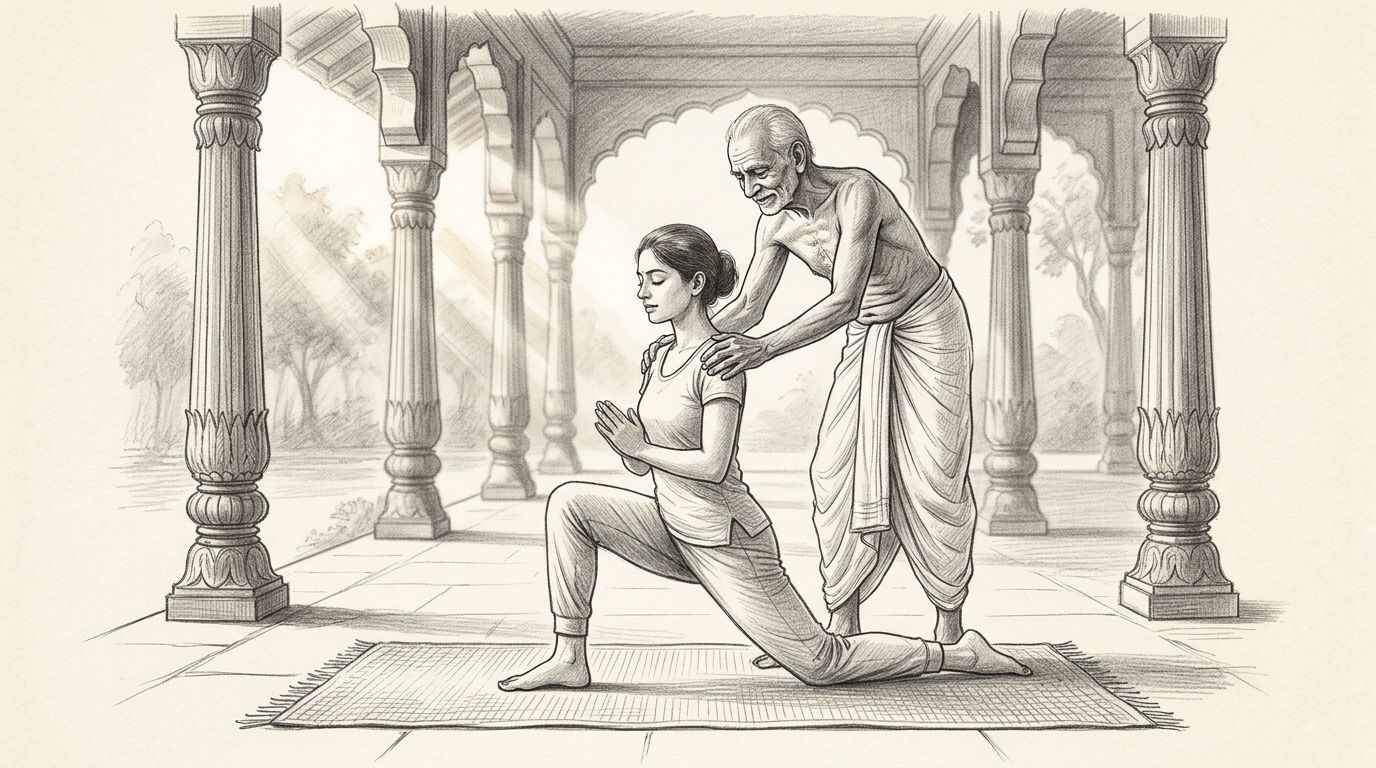 Yoga Pedagogy
Why Learn Yoga from an Indian Teacher: 9 Logical & Emotional Reasons for True Authenticity
Explore 9 compelling reasons why learning yoga from an Indian lineage teacher in India provides an authenticity, cultural depth, and nervous system transformation that commercial certifications abroad cannot replicate.
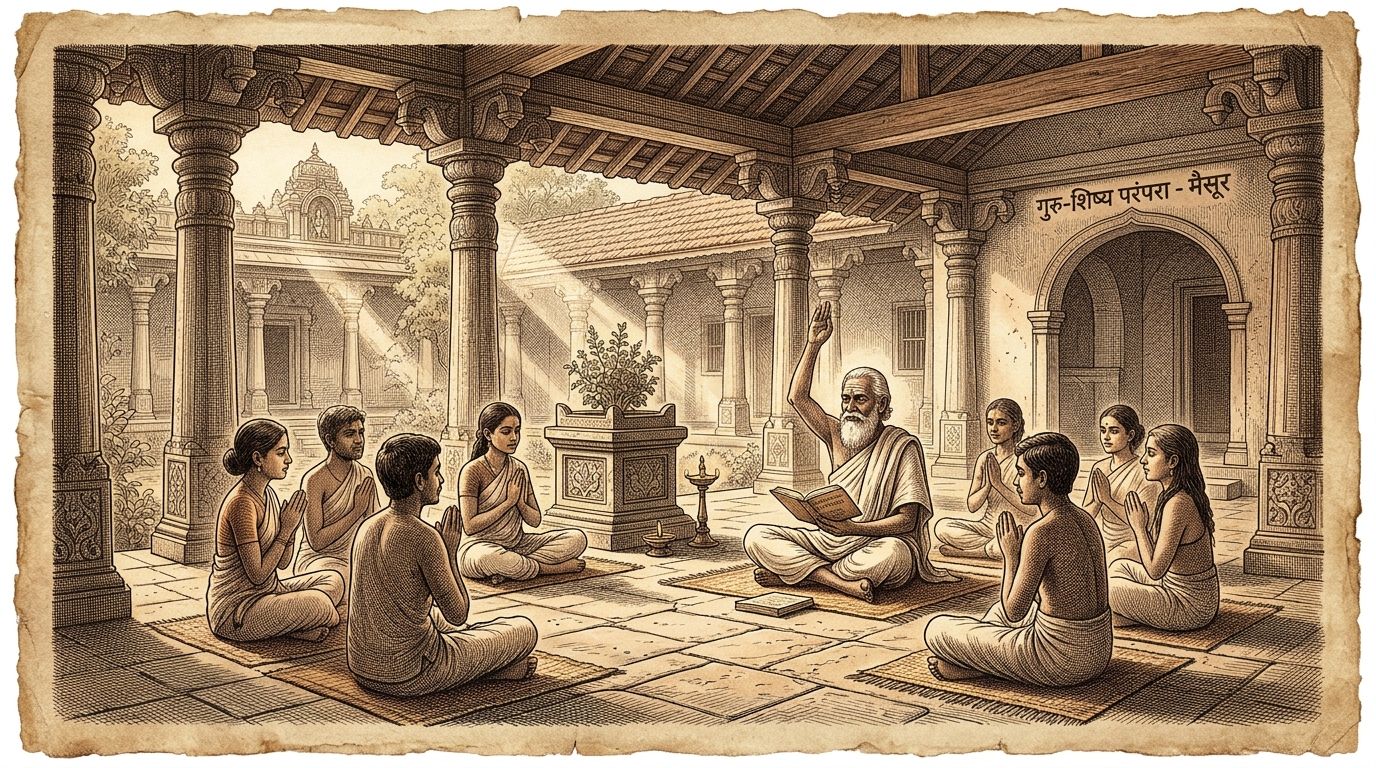 Yoga Pedagogy
How to Choose a Yoga School in India: 7 Red Flags of "Certificate Mills" vs. Authentic Lineage
An essential guide for prospective international students on evaluating yoga teacher training in India, exposing 7 critical red flags of commercial certificate mills and outlining the gold standards of authentic Gurukulam lineage.
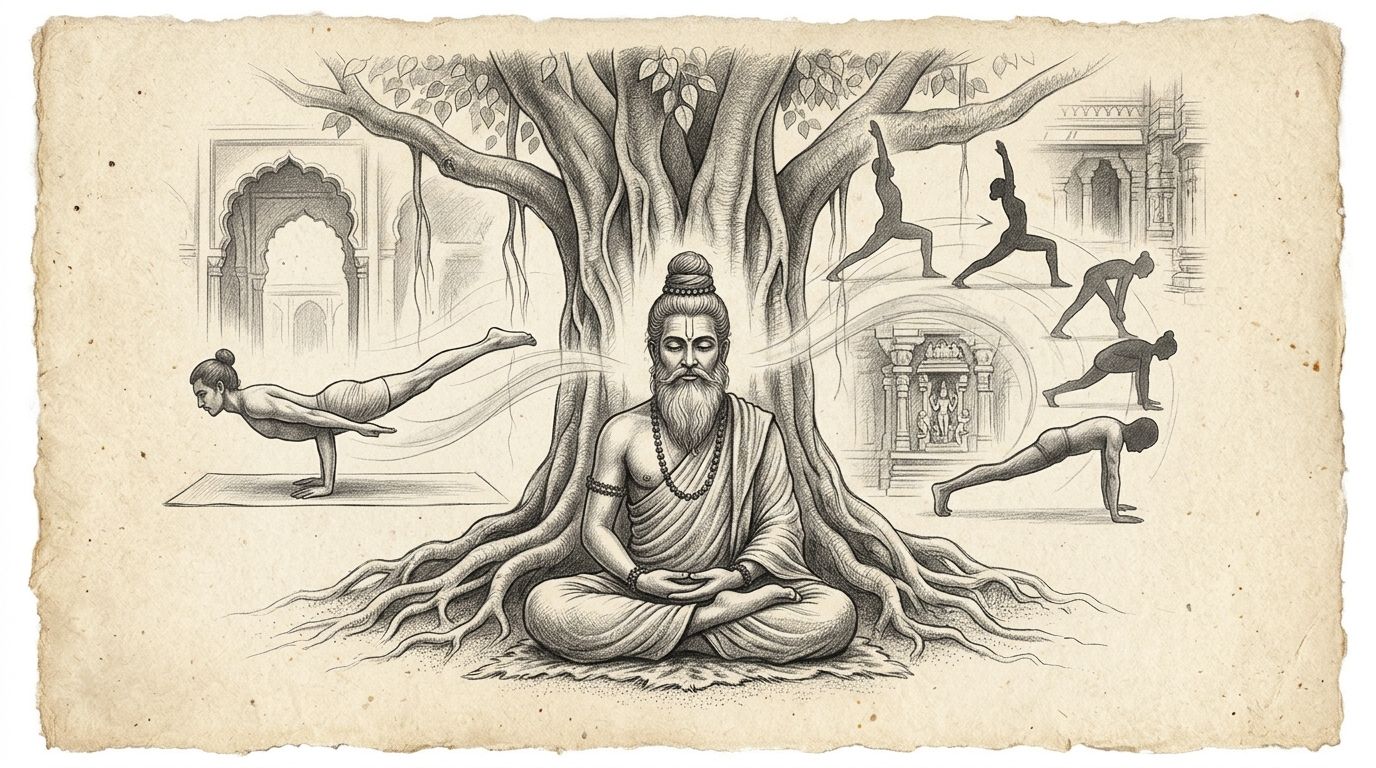 Yoga Philosophy & History
The Origins and Evolution of Yoga Asanas: From Ancient Meditation Seats to Modern Biomechanics
Explore the complete history and origins of yoga asanas. Discover how physical postures evolved from ancient seated meditation postures into medieval Hatha alchemical poses and modern dynamic Mysore Vinyasa systems.