The Science of Pranayama: Ancient Breath, Modern Research

Breath is the invisible bridge between the physical body and the subtle mind. In classical yoga, Pranayama is defined as the control and expansion of vital life force (Prana). Today, modern medical science and clinical neurophysiology are confirming what ancient sages discovered thousands of years ago in the forests of India.
Clinical trials verify that slow pranayama breathing (6 breaths per minute) increases vagal tone, enhances heart rate variability (HRV), and releases nitric oxide (PubMed). In classical Hatha Yoga (Wikipedia), controlling breath is the direct key to stilling the mind.
What is the Science of Pranayama?
"Chale Vate Chalam Chittam Nischale Nischalam Bhavet" — Hatha Yoga Pradipika (2.2) ("When the breath wavers, the mind wavers; when breath is still, the mind becomes still.")
The science of Pranayama is the systematic practice of regulating breath frequency, volume, and retention (Kumbhaka) to manipulate autonomic nervous system function and vital energy (Prana). Medical research shows that slow nasal breathing activates the parasympathetic vagus nerve, reduces inflammation, and synchronizes brainwave rhythms for deep meditation.
1. Classical Pranayama Techniques & Medical Mechanism Matrix
| Technique | Sanskrit Name | Physiological Mechanism | Medical Benefit |
|---|---|---|---|
| Victorious Breath | Ujjayi | Mild glottic constriction; stimulates carotid sinus baroreceptors | Lowers blood pressure & cortisol; builds internal metabolic heat |
| Humming Bee Breath | Bhramari | Paranasal sinus vibration; releases 15x higher Nitric Oxide | Potent vasodilation, vagal nerve stimulation & anxiety reduction |
| Alternate Nostril | Nadi Shodhana | Balances ultradian nasal cycle; harmonizes sympathetic/parasympathetic | Equalizes left/right brain hemispheres & calms mental reactivity |
| Skull-Shining Breath | Kapalabhati | Rapid abdominal contractions; hyper-oxygenates blood & purifies sinuses | Stimulates prefrontal cortex, clears respiratory phlegm & energizes |
| Breath Retention | Kumbhaka | Intermittent hypoxia; stimulates brain neuroplasticity & nitric oxide | Enhances cellular resilience, Kundalini awakening & deep stillness |
Frequently Asked Questions (FAQ)
Why is nasal breathing essential in Pranayama?
Nasal passages filter, warm, and humidify incoming air while producing Nitric Oxide (NO)—a gas that opens blood vessels and increases oxygen absorption in the lungs by 10-18%.
Master Pranayama at Samyut Yoga Mysore
- Ashtanga vs. Vinyasa vs. Hatha: Which YTT Should I Choose?
- Explore 200-Hour YTT Programs
- Apply to Join Samyutam Sangha
Deepen your practice with our authentic 200-Hour Yoga Teacher Training in Mysore or connect with our international community at Samyut Sangha.
Yogacharya Aravind Prasad
E-RYT 500 · YACEP · Founder, Samyut Yoga
Gurukulam-trained in Yoga, Veda and Vedanta with 15+ years of teaching experience. Founder of Samyut Yoga, Mysore.
Join Samyutam — The Spiritual Sadhana Sangha
Move beyond posture. Study Vedanta philosophy, master Sanskrit, and practice traditional pranayama and Tantric meditation under authentic lineage guidance.
Apply to Join the SanghaRelated Articles & Insights
 Practice of Raja Yoga
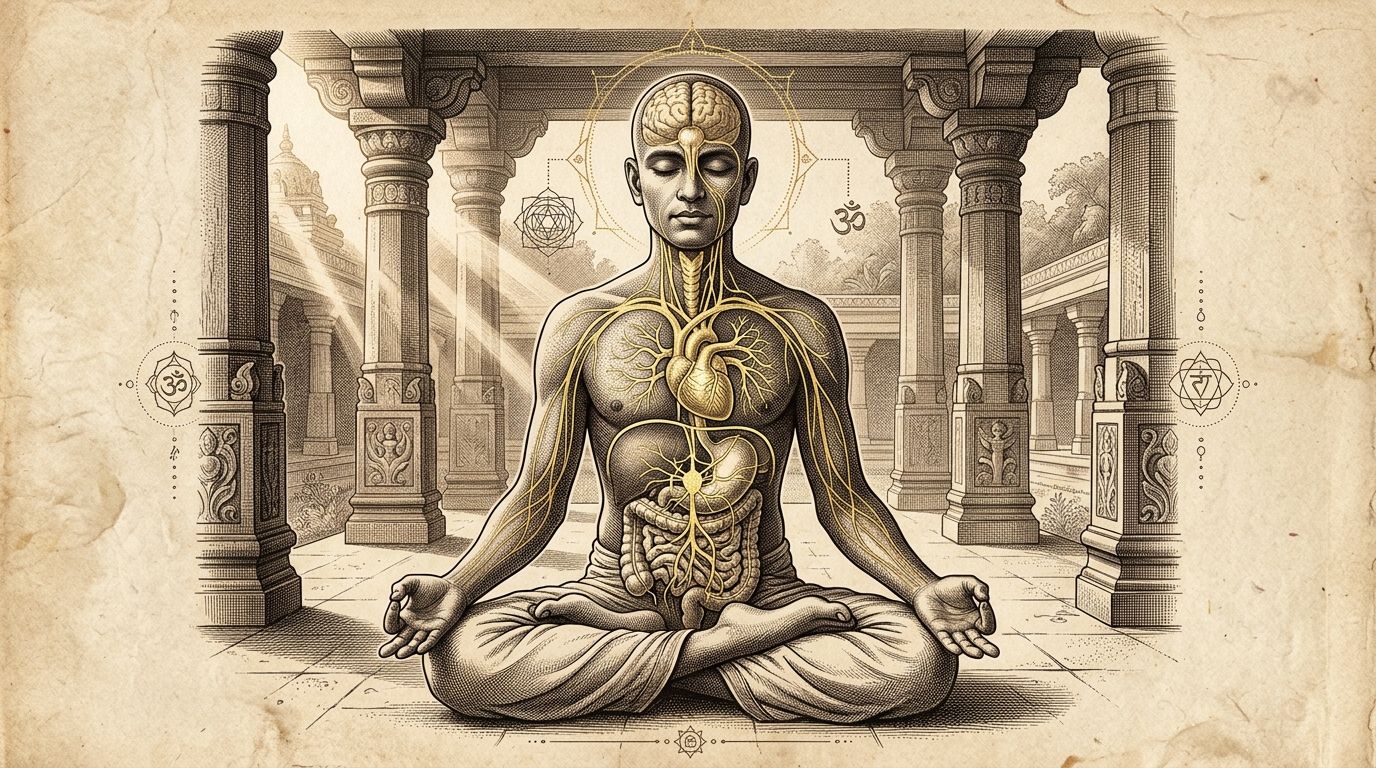
How Yoga Breathing Calms Your Nervous System: A Simple Guide to the Vagus Nerve and Ancient Pranayama
Discover how simple yoga breathing stimulates the vagus nerve, releases nitric oxide, and restores Heart Rate Variability (HRV) to shift your body out of chronic stress into deep calm.
 Practice of Raja Yoga
The Ultimate Daily Morning Yoga Sadhana Routine: Classical Dinacharya, Pranayama & Asana Sequence
Discover how to establish a transformative daily morning yoga sadhana routine at home. Learn classical Brahma Muhurta timing, Dinacharya cleansing, Pranayama, Asana, and meditation.
 Practice of Raja Yoga
The Traditional Mysore Style Ashtanga Yoga Sequence: Origins, Philosophy & Complete Practice Guide
Learn the origins, structure, and philosophy of the traditional Mysore Ashtanga Yoga sequence. Explore the Tristhana method and how to practice self-paced Vinyasa.